30 Jul 2025
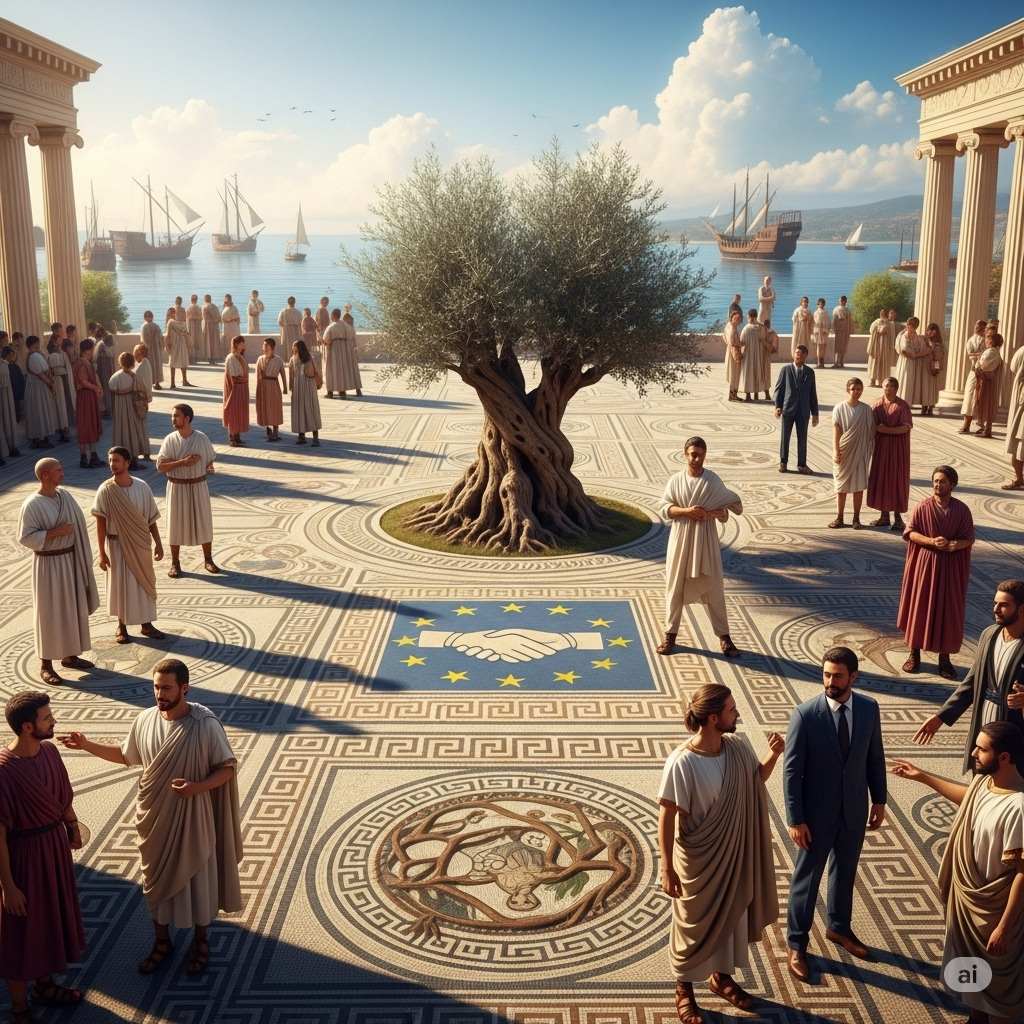
The Mediterranean Sea has always been more than a body of water, its been a crucible of political movements. Today, as populist waves crash across European shores from Rome to Athens to Madrid, we are witnessing not a new phenomenon, but the latest chapter in a 2,000-year-old narrative that began in the Roman Forum.
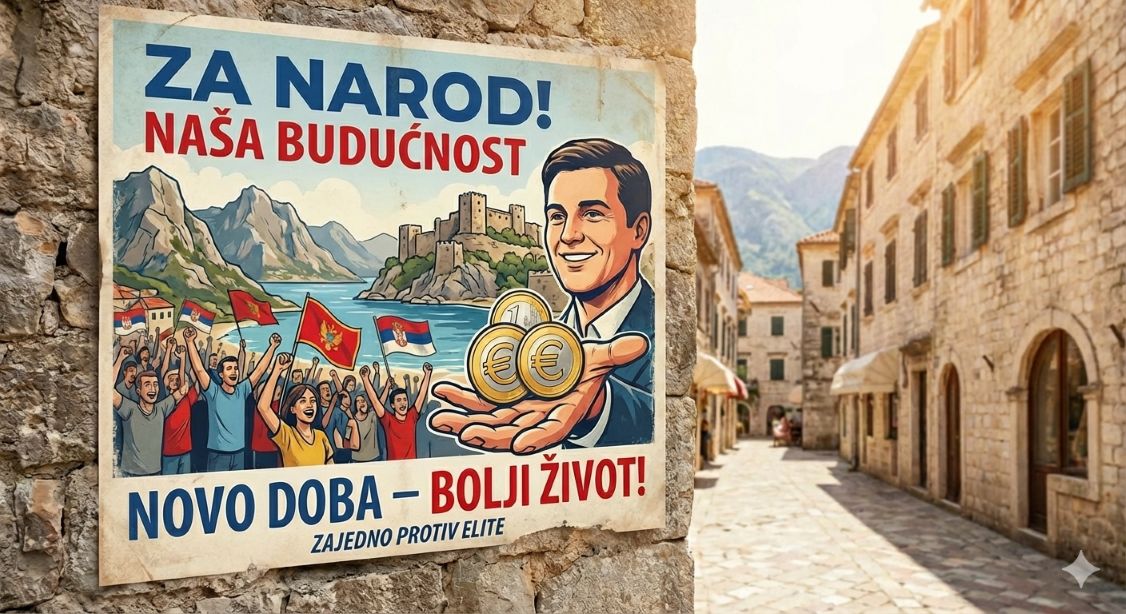
The parallels are striking. In the second century BCE, Tiberius Gracchus challenged the Roman elite by appealing directly to the masses with promises of land reform and economic relief. His populares sought to increase the power of the people while advocating for the urban poor. Replace Senate with Brussels, and you have the blueprint for contemporary populist movements from Italy Lega to Spain Vox.
But here is what makes Mediterranean populism particularly fascinating: it is always been the brainchild of the elite. The Gracchi were not peasants—they were patricians who weaponized popular discontent. Today's populist leaders, from Matteo Salvini to Marine Le Pen, often emerge from privileged backgrounds, masterfully channeling public frustration while serving their own ambitions.
The sea that once connected civilizations now risks becoming a barrier between them. Whether Mediterranean democracies can survive this latest populist tide may determine not just the region future, but Europe as well.