Thursday, December 11, 2025

The Adriatico

Mediterranean News & Analyses

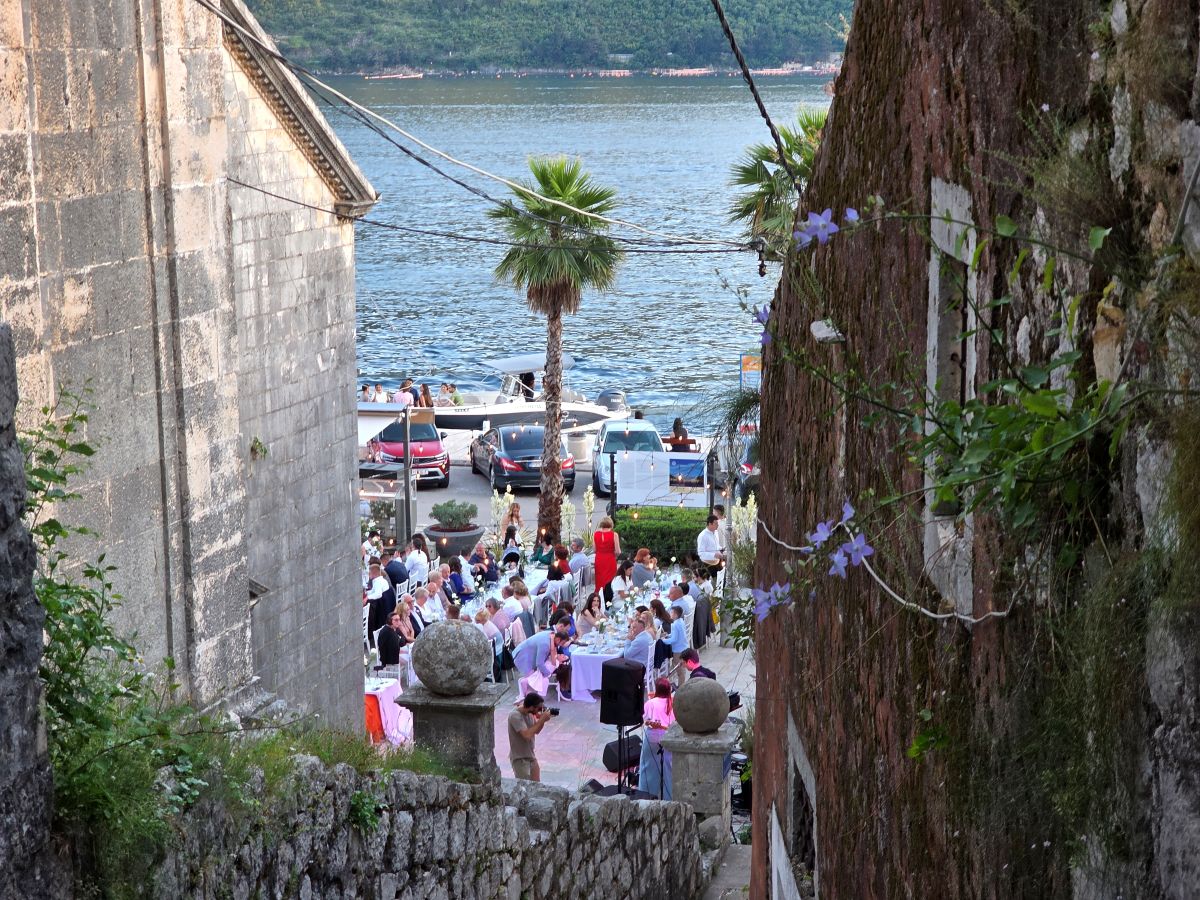
Top 5 Cities to Live in the Adriatic Region: Coastal Charm Meets Modern Living
Culture

Top 5 Cities to Live in the Adriatic Region: Coastal Charm Meets Modern Living

Discover the Adriatics most desirable cities for residents and expats. Split, Kotor, Tirana, Trieste, and Ancona combine stunning coastal settings, rich history, contemporary amenities, and competitive living costs—offering ideal lifestyles whether you seek Mediterranean tranquility or urban energy.
Latest News

The Mediterranean Dream in Crisis: Economic Anxiety Threatens Regional Democracy
Politics

The Mediterranean Dream in Crisis: Economic Anxiety Threatens Regional Democracy

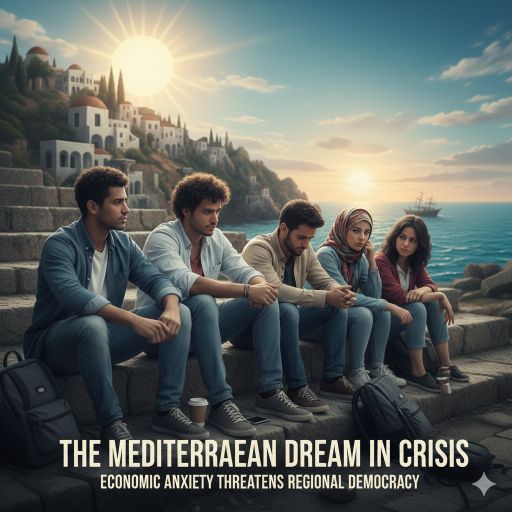
Economic pressures across the Mediterranean—from Spains housing shortages to Italys talent mobility to North Africas educated diaspora—reflect the same transformative moments that have historically reshaped societies, offering both challenges and unprecedented opportunities for democratic renewal. While young people throughout the region navigate wage stagnation and housing accessibility, they are also witnessing increased regional integration, cross-border investment, and growing recognition that traditional career paths need modernization. This moment presents a unique window for Mediterranean nations to collaborate on realigning education with emerging job markets, developing innovative housing solutions that serve residents while attracting sustainable investment, and creating new pathways to prosperity that leverage the region s strategic position in global trade, renewable energy, and digital connectivity.

Smart Cadastres: Digital Governance and AI for Transparent Land Management in the Middle East and North Africa
Business

Smart Cadastres: Digital Governance and AI for Transparent Land Management in the Middle East and North Africa

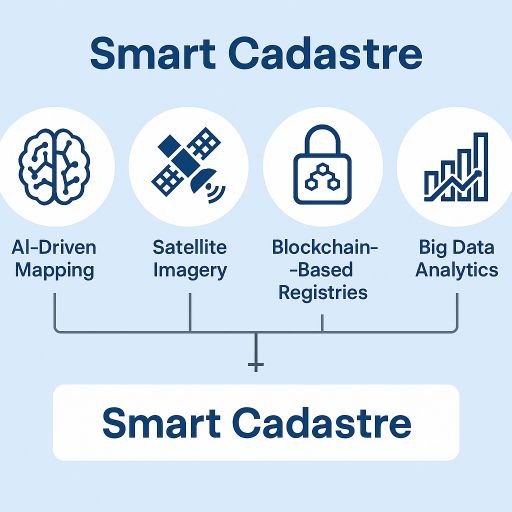
Land governance in the Middle East and North Africa is burdened by paper records, overlapping claims, and corruption. Emerging digital tools—AI mapping, satellite imagery, blockchain, and big data analytics—offer a pathway toward transparent, citizen-centered “smart cadastres.” These systems can reduce disputes, unlock credit markets, support reconstruction and climate resilience, and curb corruption. But technology alone is not enough: legal reforms, institutional cooperation, capacity building, and public trust are critical for success. Smart cadastres represent not just digitization, but a shift toward transparent, secure, and citizen-focused governance.

North Africa s Political Transitions and Their Impact on the Mediterranean Order
Politics

North Africa s Political Transitions and Their Impact on the Mediterranean Order

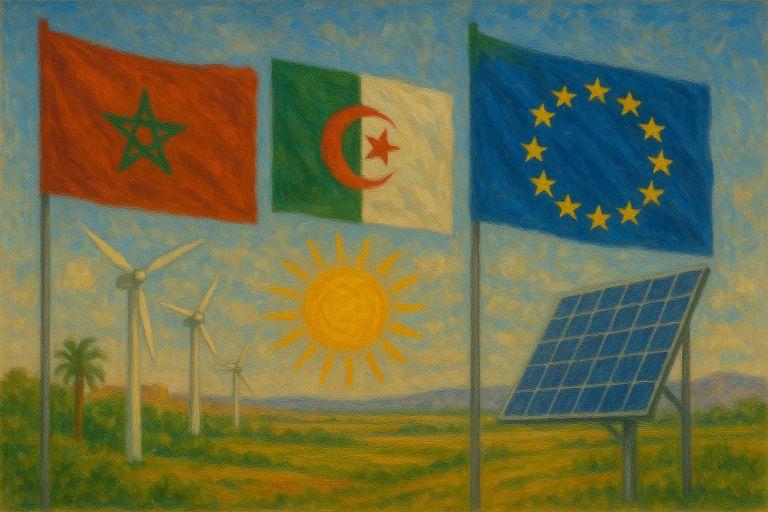
North Africa s political instability—marked by Tunisia s democratic backsliding under President Saied, Algeria s energy leverage amid persistent political stagnation, and Morocco s strategic positioning through controlled liberalization—creates significant challenges for EU Mediterranean policy. Regional dynamics are complicated by Algeria-Morocco tensions over Western Sahara, sustained migration pressures from economic stagnation, and climate-induced security risks including desertification and water scarcity. For the European Union, current transactional approaches to migration control and energy diversification often prove unsustainable due to domestic instabilities in partner countries, requiring a shift toward comprehensive partnership frameworks that address root causes through governance support, economic diversification, and climate resilience investment to achieve lasting Mediterranean stability.

Coastal Tourism Emerges as Dominant Force in EU Blue Economy
Business

Coastal Tourism Emerges as Dominant Force in EU Blue Economy

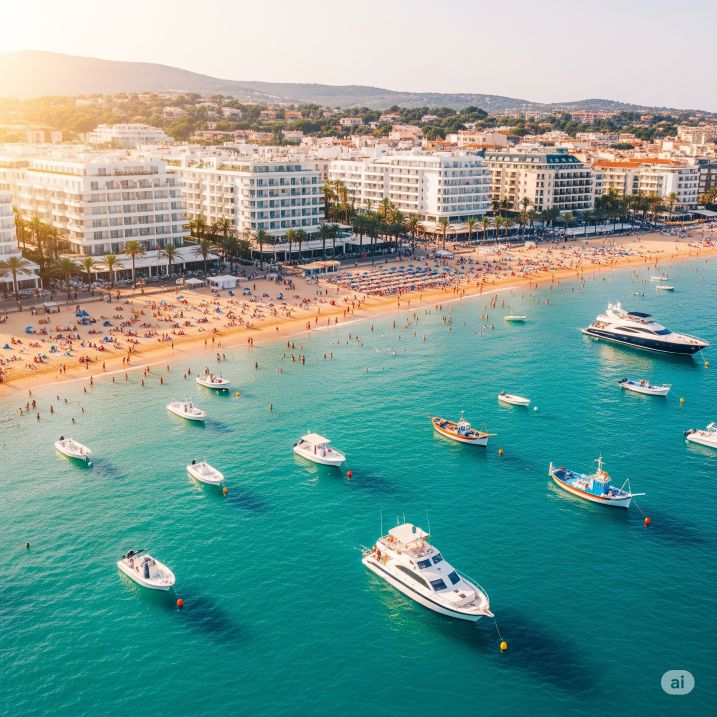
Coastal tourism has established itself as the undisputed leader of the European Unions Blue Economy, accounting for 32.7% of the sectors total economic value while employing over half of all maritime workers. The latest EU Blue Economy Report 2025 reveals that Spain leads employment with 26% of coastal tourism jobs, followed by Greece at 18%, underlining the Mediterranean's crucial role in Europes maritime economy. With 1.4 billion nights spent at coastal accommodations in 2023 and €82 billion in economic value generated, the sector demonstrates remarkable resilience and growth potential despite facing climate challenges that could impact vulnerable destinations by up to 9% in coming decades.

Political Economy Analysis: The Adriatic-Ionian Highway
Analyses

Political Economy Analysis: The Adriatic-Ionian Highway

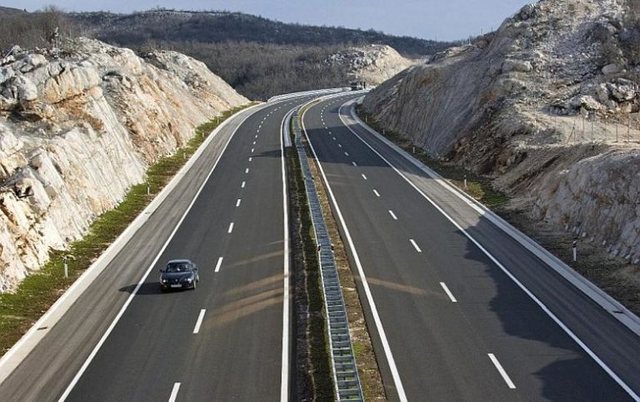
The Adriatic-Ionian Highway represents far more than a 1,550-kilometer infrastructure project—it is a decisive geopolitical instrument for securing permanent EU control over the Mediterranean coastline. By connecting current EU members with prospective new members Montenegro and Albania, who are targeting accession by 2028 and 2030 respectively, the highway will create an unbroken chain of European-controlled infrastructure from Italy to Greece. This strategic corridor will permanently block Russian and Serbian ambitions to expand their influence to Mediterranean sea ports, fortifying EU dominance over one of the worlds most contested waterways. As Montenegros Adriatic coastline emerges as a prize for competing geopolitical interests, the highways completion before full EU membership will ensure seamless integration while eliminating any future threats to European strategic control of this vital maritime gateway.

From Shipyards to Startups: The Tech Revolution Quietly Transforming Adriatic Port Cities
Business

From Shipyards to Startups: The Tech Revolution Quietly Transforming Adriatic Port Cities

For a century, the defining sound of cities like Bar or Rijeka was the metallic clang of shipyard and port cranes against the Mediterranean sky. Today, a new sound is joining that industrial symphony: the rapid-fire clicking of keyboards from bustling co-working spaces overlooking the sea. The Adriatic coast, long celebrated for its ancient Roman ruins and crystal-clear waters, is beginning to write a new digital chapter.