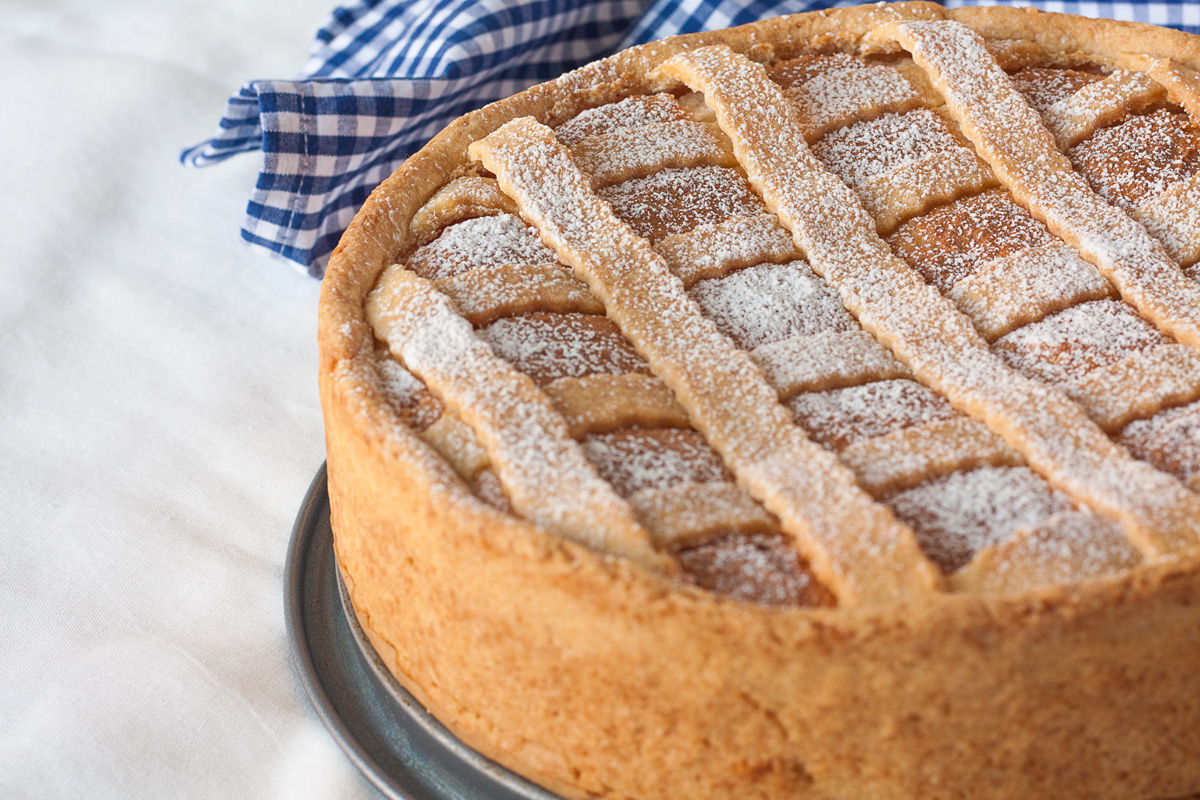
In the small coastal town of Perast, in Montenegro’s Bay of Kotor, culinary heritage tells a story as rich as the region’s maritime history. Among the most distinctive expressions of this heritage is Peraška torta, an almond-based cake whose origins reach back to the period when Perast flourished as an important Adriatic maritime centre under Venetian influence.
Unlike many modern desserts, Peraška torta developed in a context where trade routes shaped local cuisine. Almonds, citrus peel, and fine liqueurs were brought by sailors from across the Mediterranean, linking Perast to ports in Italy, Greece, and beyond. These ingredients gradually formed the basis of a refined cake traditionally prepared for important family celebrations, religious feasts, and receptions of distinguished visitors.
The cake is characterised by a dense yet delicate texture, combining ground almonds, eggs, sugar, butter, lemon zest, and aromatic liqueurs such as maraschino or rum. Its preparation requires patience and precision, reflecting the meticulous culinary culture typical of coastal Mediterranean towns influenced by Venetian gastronomy.
Historically, Peraška torta was often prepared by families with strong maritime traditions. Recipes were carefully preserved and passed down through generations, becoming part of the town’s intangible cultural heritage. Even today, local families regard the cake as a symbol of identity and continuity with Perast’s past as a respected naval and trading community.
The broader Mediterranean context helps explain the cake’s distinctive character. Similar almond-based cakes exist across southern Europe, yet Peraška torta maintains a unique balance of flavours shaped by the Adriatic environment. Its restrained sweetness and aromatic complexity reflect a culinary tradition that values quality ingredients and careful preparation over elaborate decoration.
In recent years, growing interest in cultural tourism has renewed attention to traditional recipes across the Mediterranean. Culinary heritage is increasingly recognised as an important component of regional identity and sustainable tourism development. Peraška torta illustrates how small communities preserve historical knowledge through everyday practices, maintaining connections between local traditions and wider Mediterranean cultural networks.
Today, visitors to the Bay of Kotor can occasionally taste authentic versions of the cake in local households and selected restaurants. While simple in appearance, Peraška torta offers insight into centuries of maritime exchange and cultural interaction along the Adriatic coast.
Comments
There are no published comments yet.